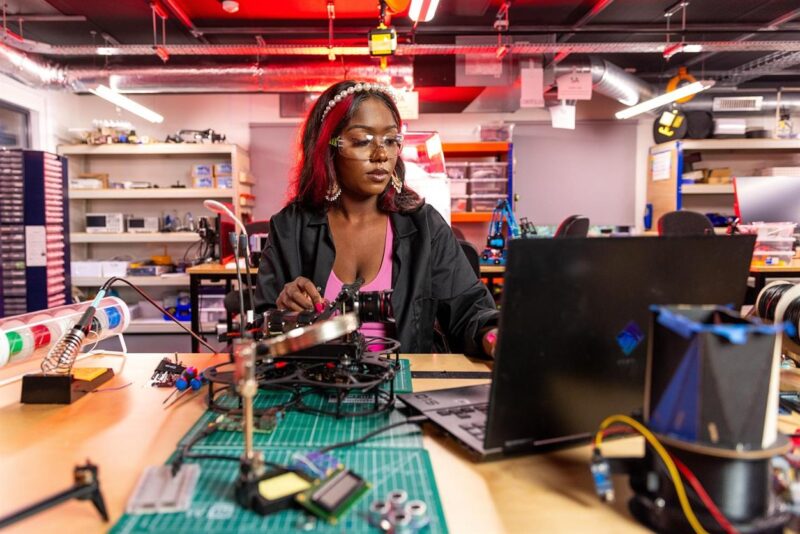
From the phone in your hand to the cloud systems running global businesses, technology and electronics sit at the core of modern life. They shape how we communicate, work, learn, entertain ourselves, and even how governments and economies function.
The tech & electronics space includes everything from consumer gadgets (phones, laptops, wearables, TVs) to enterprise systems (servers, networking gear, data centers, AI hardware). It’s also one of the world’s largest and fastest-evolving industries: estimates put the global consumer electronics market alone in the hundreds of billions of dollars and growing steadily over the next decade.
TLDR
- Tech & electronics cover everything from phones, laptops, and TVs to chips, data centers, cloud, and AI hardware.
- It’s one of the biggest drivers of the global economy, powering how we work, communicate, learn, and entertain ourselves.
- Key segments include consumer devices, enterprise IT & cloud, semiconductors, smart home, and wearables.
- Major trends: AI everywhere, cloud + edge computing, 5G and IoT, smart homes, and growing focus on sustainability.
- Big challenges: chip supply chains, cybersecurity, privacy, e-waste, and the digital divide (billions still lack proper internet access).
- The future points to more AI in devices, more mixed physical-digital experiences, software in everything, and stronger ethical/regulatory scrutiny of how tech is used.
What Falls Under “Tech & Electronics”?

When we say Tech & Electronics – General, we’re talking about a wide ecosystem:
- Consumer electronics
- Smartphones, laptops, tablets
- TVs, streaming devices, gaming consoles
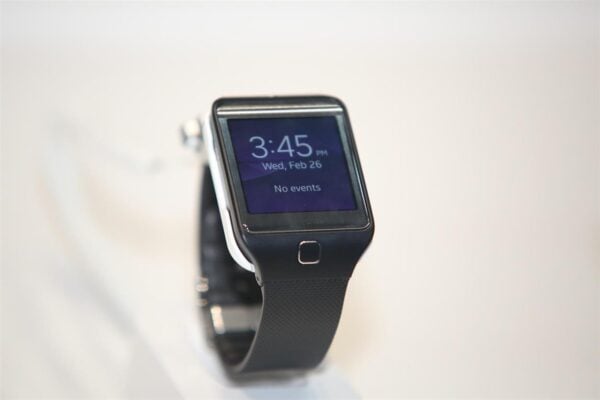
- Wearables (smartwatches, fitness bands, AR/VR headsets)
- Smart home devices (speakers, lights, thermostats, cameras)
- Smartphones, laptops, tablets
- Computing & IT infrastructure
- Servers, storage systems, networking equipment
- Data centers and cloud hardware
- Edge computing devices and gateways
- Servers, storage systems, networking equipment
- Components & semiconductors
- Chips (CPUs, GPUs, memory, sensors, power management)
- Printed circuit boards (PCBs)
- Batteries and power systems
- Chips (CPUs, GPUs, memory, sensors, power management)
- Enterprise tech & software
- Business software, SaaS platforms, cybersecurity tools
- AI/ML platforms and analytics solutions
- Collaboration tools (video conferencing, messaging, productivity suites)
- Business software, SaaS platforms, cybersecurity tools
Behind every sleek device is a complex global chain of design, manufacturing, software, logistics, and support.
The Economic Weight of Tech & Electronics
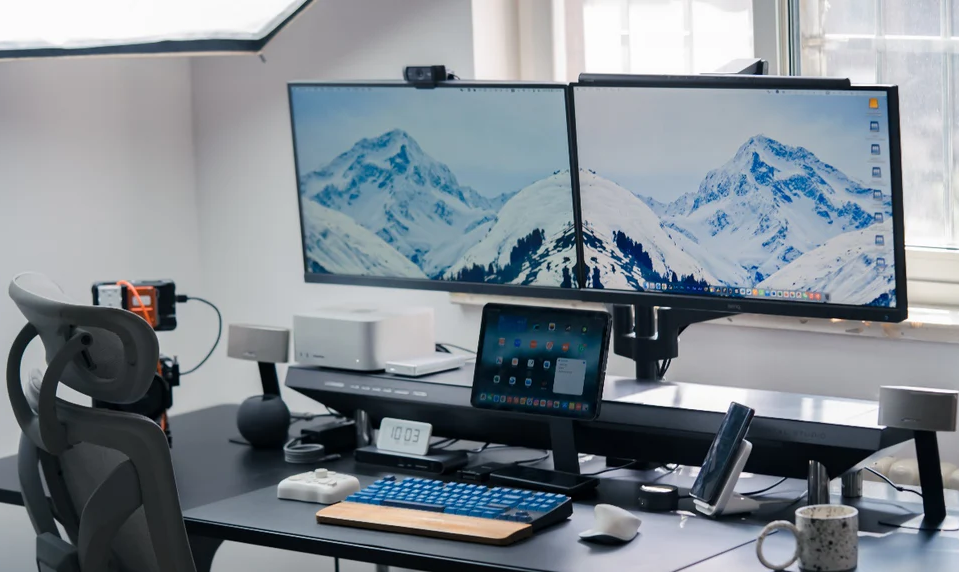
Tech and electronics are not just “cool gadgets”; they’re a huge part of the global economy.
- The consumer electronics market is valued at around $800–1,200+ billion in 2024 depending on methodology, and is projected to keep growing over the next decade as connectivity and digital lifestyles expand.
- Global IT spending (covering hardware, software, services, and data-center infrastructure) is projected around $5.1–5.3 trillion in 2024, with growth driven heavily by cloud and AI-related investments.
In simple terms: tech is one of the main engines of global growth, and electronics are the physical backbone of that engine.
Key Segments and Their Roles
1. Smartphones & Personal Devices

Smartphones are the central hub of modern digital life. They:
- Connect people to the internet, social networks, payments, and entertainment.
- Serve as remote controls for smart homes and cars.
- Enable services like ride-hailing, food delivery, and digital banking.
As markets mature, growth shifts from first-time buyers to upgrades, camera and performance improvements, and ecosystems (apps, accessories, cloud services).
2. PCs, Laptops & Tablets
Computers remain essential for:
- Work (productivity software, remote work, content creation)
- Education (online learning, research, collaboration)
- Gaming and creative fields (video editing, design, 3D modeling)
Hybrid and remote work patterns have increased the importance of mobile, powerful, and secure laptops, often connected to cloud services.
3. Home Entertainment & Smart Home
- TVs are evolving into smart hubs for streaming services and gaming.
- Soundbars and speakers bring cinema-like audio to living rooms.
- Smart home devices—lights, thermostats, locks, cameras—add convenience, comfort, and security, usually controlled by voice assistants or apps.
This segment is a key part of the broader Internet of Things (IoT), where everyday devices connect and communicate.
4. Enterprise & Cloud Infrastructure
Behind every “simple” app or website is a complex infrastructure:
- Data centers filled with servers, storage arrays, and networking gear.
- Cloud platforms that provide computing power on demand.
- Specialized hardware for AI workloads (GPUs, accelerators).
Global IT spending growth is being driven in large part by data center systems, software, and services as companies modernize and adopt AI at scale.
5. Semiconductors: The Invisible Foundation
Semiconductors (chips) are often called the “new oil” of the digital economy. They power:
- Phones, PCs, and consoles
- Cars (increasingly electric and software-driven)
- Industrial machines and robots
- Networking gear, medical devices, and more
Shortages or geopolitical tensions in chip supply can ripple through entire industries, causing delays and price spikes in everything from cars to consoles.
Major Trends Reshaping Tech & Electronics
1. AI Everywhere
Artificial intelligence is moving from buzzword to basic expectation:
- On devices: AI improves photos, voice recognition, translation, and predictive typing.
- In businesses: AI helps with analytics, customer support, automation, and decision-making.
- In infrastructure: AI optimizes energy use in data centers and networks.
This AI wave is a big reason analysts expect strong growth in global tech and IT spending in the coming years.
2. Cloud & Edge Computing
- Cloud computing lets companies rent computing power and storage instead of owning all the hardware.
- Edge computing pushes processing closer to where data is generated (factories, vehicles, retail locations) to reduce latency and bandwidth use.
Together, they support applications like real-time analytics, autonomous systems, and smart cities.
3. Connectivity: 5G and Beyond
5G networks enable:
- Faster mobile internet speeds
- Lower latency for gaming, AR/VR, and industrial control
- Support for massive numbers of connected devices (IoT)
As 5G spreads and future standards emerge, devices and services are being redesigned to take advantage of higher bandwidth and reliability.
4. Sustainability & Energy Efficiency
Tech & electronics have a growing environmental footprint:
- Energy-hungry data centers and AI workloads
- E-waste from discarded devices
- Resource-intensive manufacturing
In response, the industry is pushing for:
- More energy-efficient chips and servers
- Renewable-powered data centers
- Repairable / recyclable devices and extended product lifecycles
Regulators and consumers are increasingly pressuring companies to make sustainability a core part of their strategy.
5. The Digital Divide
Despite all this progress, billions of people still lack meaningful internet access due to affordability, infrastructure, and skills gaps.
Low-cost smartphones, rural connectivity projects, and digital literacy programs are critical to ensuring that tech & electronics benefits are more evenly shared worldwide.
Key Challenges for the Industry
- Supply Chain Complexity
Chips, components, and devices often cross multiple countries during production. Disruptions (pandemics, conflicts, trade restrictions) can quickly impact availability and pricing. - Security & Privacy
More connected devices = more attack surfaces. Cybersecurity, encryption, and privacy-by-design are essential, especially as sensitive data (health, finance, biometrics) flows through devices. - Regulation & Geopolitics
- Export controls on advanced chips
- Data sovereignty rules
- Antitrust scrutiny of big tech
- Export controls on advanced chips
- These factors influence which technologies can be sold where, and under what conditions.
- Rapid Obsolescence & E-waste
Short product cycles and constant upgrades mean more waste. Designing for longevity, modularity, and recycling is becoming a competitive and ethical priority.
Opportunities Ahead
Despite challenges, the tech & electronics landscape is full of opportunity:
- Emerging markets: Large populations are still moving online for the first time, driving demand for affordable devices and connectivity.
- Industry digitalization: Manufacturing, healthcare, agriculture, and logistics are all adopting more sensors, automation, and analytics.
- New interfaces: AR/VR, spatial computing, and voice-driven systems open up new ways of interacting with technology.
- Specialized hardware: Chips tuned for AI, security, or low-power edge use are creating new product categories.
Companies that can combine innovative hardware, useful software, strong security, and responsible practices have an edge in this evolving space.
The Future of Tech & Electronics
Looking forward, a few themes are likely to define the next decade:
- Pervasive intelligence: Many devices will have built-in AI, making experiences more personalized, predictive, and context-aware.
- Blended physical-digital worlds: Smart glasses, mixed reality, and ambient computing will blur the lines between online and offline.
- More software in everything: Cars, appliances, factories, and buildings will be increasingly software-defined and updatable.
- Stronger focus on ethics and governance: How AI is used, how data is handled, and who gets access to technology will be central societal questions, not just technical ones.
Conclusion
The Tech & Electronics sector is the nervous system of the modern world. It powers communication, commerce, creativity, and critical infrastructure. It’s huge, fast-moving, and deeply interconnected—from chips and components to consumer gadgets and cloud platforms.
At the same time, it faces real responsibilities: closing the digital divide, reducing environmental impact, protecting privacy, and navigating complex global politics.