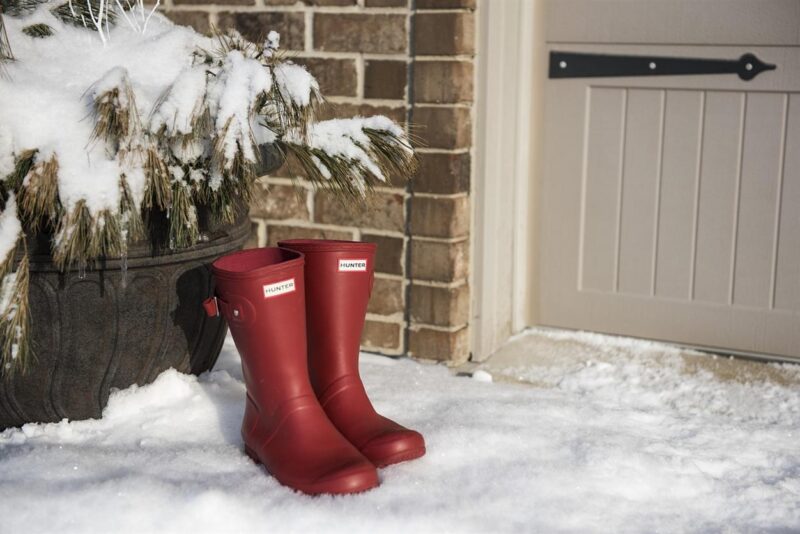
Style is the way you present yourself to the world—through clothing, grooming, attitude, and the choices that reflect your taste. It’s not about copying trends or owning expensive brands. Real style is personal. It’s how you combine comfort, confidence, and creativity to look and feel like your best self.
TL;DR:
Style is your personal signature—how you express yourself through clothing, details, and confidence—while fashion is trend-based. Great style comes from fit, comfort, a consistent color palette, strong basics, a few standout pieces, and choices that match your real lifestyle.
Style vs. Fashion
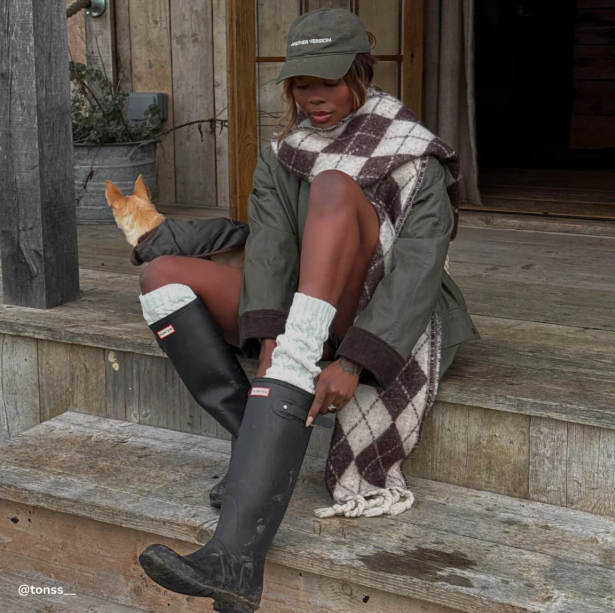
Fashion is what’s trending at a particular moment—popular colors, silhouettes, shoes, and aesthetics that change season by season. Style is how you interpret those trends (or ignore them) to suit your personality and lifestyle.
- Fashion is fast and external.
- Style is lasting and internal.
Someone with strong style can wear simple basics and still stand out—because their look feels intentional and authentic.
Why Style Matters
Style influences more than appearance. It affects how you feel and how you show up in daily life. When you dress in a way that fits you, it can improve confidence and create a sense of control and clarity. Style also shapes first impressions and communicates subtle messages such as:
- Personality (bold, calm, creative, classic)
- Mood (playful, serious, relaxed, confident)
- Attention to detail and self-respect
- Cultural or lifestyle identity
Style is not about impressing everyone—it’s about expressing yourself clearly.
The Key Elements of Good Style
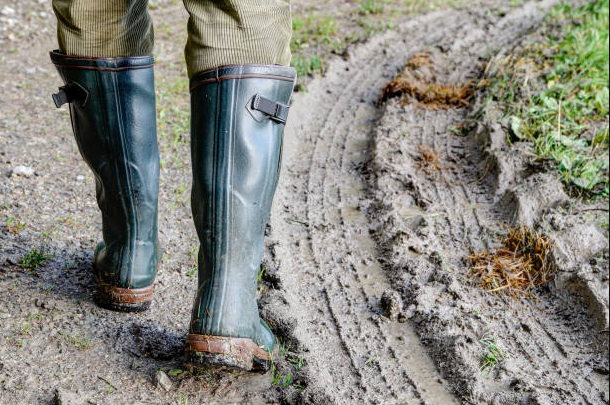
Strong style is built on a few practical foundations:
1) Fit comes first
Fit can make or break any outfit. Clothes that suit your body shape instantly look more polished, even if they’re affordable.
2) Comfort is part of confidence
If you’re constantly adjusting your outfit, you won’t feel confident. Style works best when you can move freely and feel like yourself.
3) A consistent color palette
Knowing your favorite neutrals and accent colors makes mixing outfits easier. A simple palette creates a clean, cohesive wardrobe.
4) Essentials + personality pieces
Essentials are dependable basics (good jeans, plain shirts, versatile shoes). Personality pieces add uniqueness (a standout jacket, statement jewelry, a bold bag).
5) Details elevate everything
Accessories, layering, fabric texture, grooming, and clean shoes can turn a basic look into a stylish one.
Finding Your Personal Style
Style isn’t something you “buy.” It’s something you build by paying attention. A few ways to develop it:
- Notice what outfits make you feel confident and comfortable
- Save inspiration from looks you genuinely relate to
- Start small: improve basics before buying trendy items
- Experiment, but keep what fits your lifestyle
- Choose quality when possible, especially for frequently worn pieces
Your style should match your daily reality—work, climate, culture, and comfort.
Style Goes Beyond Clothes
Style can also show up in:
- How you maintain your grooming and self-care
- How you organize your space
- How you communicate and carry yourself
- Your personal brand, online and offline
It’s the overall “signature” people remember—not just a single outfit.
Conclusion
Style is self-expression with purpose. It’s not about chasing every trend—it’s about understanding what fits you, what feels right, and what reflects your identity. When you build a style that matches your life and personality, you don’t just look better—you feel more confident, authentic, and comfortable in your own skin.