Style is the way you express who you are without needing to explain it. It can show up in how you dress, how you speak, how you decorate your space, and even how you carry yourself. While fashion changes with trends, style is more personal and lasting. It’s your unique blend of taste, confidence, and intention.
TL;DR:
Style is your personal way of expressing yourself, while fashion is trend-based. Strong style comes from fit, comfort, a consistent color palette, good essentials plus a few signature pieces—and confidence that matches your real lifestyle.
Style vs. Fashion
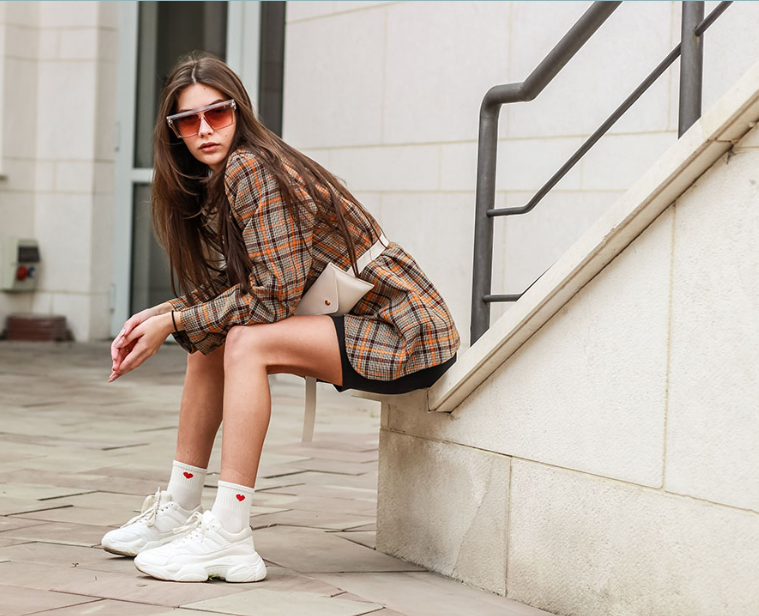
Fashion is what’s popular right now—new silhouettes, seasonal colors, trending shoes, or viral aesthetics. Style is how you interpret those trends (or ignore them) in a way that fits you.
- Fashion: external, trend-driven, fast-changing
- Style: internal, identity-driven, consistent over time
A stylish person doesn’t need to follow every trend. They know what works for them and wear it with confidence.
Why Style Matters
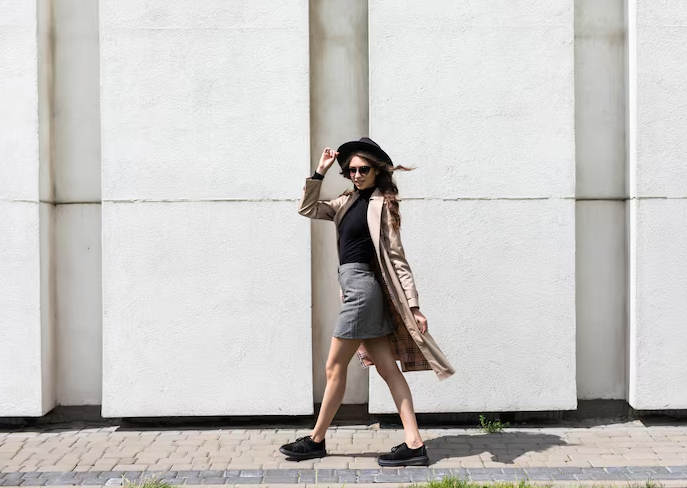
Style is often dismissed as “just appearance,” but it influences how you feel and how you show up in the world. The right outfit can boost confidence, make you feel professional, or help you feel comfortable in your own skin. Style can also reflect values—such as minimalism, sustainability, cultural pride, or creativity.
In social and professional settings, style often becomes a first impression. It communicates:
- Personality and mood
- Attention to detail
- Confidence and self-respect
- Cultural or lifestyle identity
The Building Blocks of Personal Style
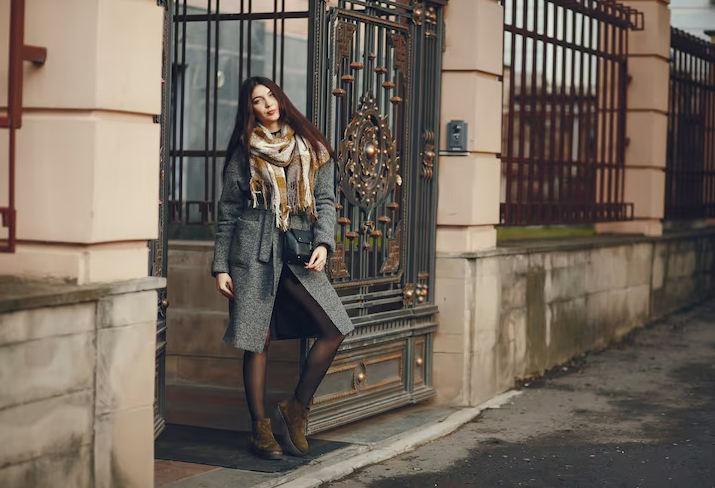
Style doesn’t come from buying more—it comes from understanding what fits your life and body. A strong personal style is built on a few key elements:
1) Fit and comfort
Even the most expensive piece looks wrong if it doesn’t fit properly. Comfort matters too—when you feel good, you look better.
2) Color palette
Knowing the colors you love (and that flatter you) makes it easier to build outfits that feel cohesive. Some people prefer neutrals, while others thrive in bright tones.
3) Essentials and signature pieces
Essentials are reliable basics you can mix easily (good jeans, plain tees, a clean shirt, simple shoes). Signature pieces add personality (a bold jacket, unique jewelry, statement bag).
4) Texture and detail
Small details—fabric, stitching, accessories, layering—can elevate a simple look.
5) Confidence and consistency
Style becomes powerful when it feels natural. Confidence is the “finish” that makes any look work.
Developing Your Style Over Time
Finding your style is a process, not a one-time decision. Here are practical ways to build it:
- Notice what outfits make you feel your best
- Save inspiration from people whose looks match your vibe
- Start with basics, then add one standout piece at a time
- Prioritize quality over quantity when possible
- Experiment, but keep what genuinely suits your lifestyle
Your style should fit your real life—not an imaginary version of you.
Style Beyond Clothing
Style also shows up in how you live:
- Your grooming habits and self-care
- Your home and workspace aesthetics
- Your communication and personal brand
- The way you combine simplicity with personality
It’s not about perfection—it’s about intention.
Conclusion
Style is personal, evolving, and deeply connected to identity. It isn’t about copying trends or wearing expensive labels. It’s about discovering what feels true to you and expressing it with confidence. When you develop your style thoughtfully, you don’t just look better—you feel more like yourself.