Urban transportation has undergone dramatic transformation with the rise of micro-mobility options revolutionizing how people navigate cities and cover short distances. Traditional choices between personal vehicles and public transit increasingly face competition from electric scooters, skateboards, and other innovative personal transport solutions offering unique advantages for modern commuting. These lightweight, portable devices enable efficient travel covering greater distances than walking while remaining faster and more flexible than waiting for public transportation. As cities expand and traffic congestion worsens, personal mobility solutions become increasingly valuable for people seeking independence, speed, and environmental responsibility in daily movement. Understanding these emerging options empowers informed choices about your personal transportation aligned with your lifestyle and community infrastructure.
Understanding the Micro-Mobility Revolution
Personal mobility devices represent a paradigm shift in urban transportation thinking. Rather than viewing transportation purely through traditional vehicle or transit binary, micro-mobility options occupy a valuable middle ground. Electric scooters provide rapid transportation covering 1-10 mile distances in minutes. Electric skateboards combine personal propulsion with skateboard versatility for creative movement. Kick scooters offer human-powered simplicity without electronic complexity. E-bikes combine cycling efficiency with electric assistance overcoming hills and longer distances. Hoverboards and electric unicycles serve niche enthusiasts. Each option serves different use cases, physical capabilities, and infrastructure availability. The diversity of choices means virtually anyone can find a personal mobility solution matching their needs, physical ability, and travel patterns.
Evaluating Performance Characteristics for Your Needs
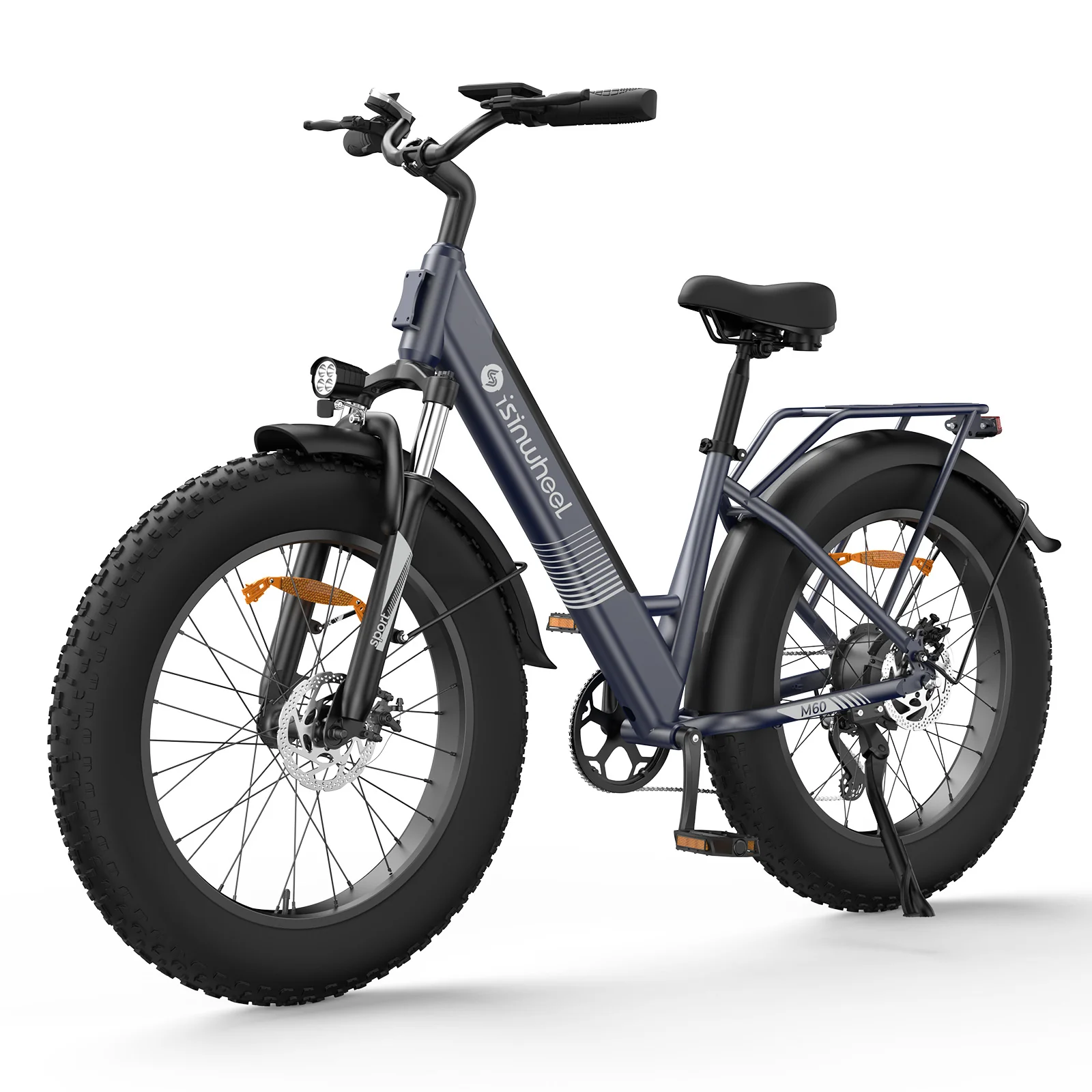
Personal mobility selection requires honest assessment of your actual travel patterns and requirements. How far do you typically travel in single trips? What terrain characteristics dominate your routes flat pavement, hills, mixed surfaces? What speed satisfies your needs without creating safety concerns? Do you prefer motorized assistance or human-powered exercise? What weather conditions will your device face regularly? Performance requirements differ dramatically between leisurely neighborhood transportation and aggressive urban commuting. Budget constraints, storage space, and physical capability all influence appropriate device selection. IsinWheel offers comprehensive personal mobility solutions addressing diverse needs and preferences, ensuring you discover devices matching your specific requirements and use patterns.
Safety Considerations and Responsible Device Operation
Personal mobility devices require respecting safety fundamentals protecting yourself and others. Quality protective equipment helmets, wrist guards, knee pads dramatically reduces injury severity from inevitable falls as you develop device competence. Learning proper technique and control on low-traffic, forgiving surfaces before navigating traffic builds competence and confidence. Understanding local regulations regarding device operation, permitted areas, and safety requirements ensures legal compliance and respectful community participation. Respecting pedestrians and slower traffic includes maintaining speed appropriate for sharing space with others and using courtesy in navigation. Night operation requires visibility enhancements ensuring others can see you lights, reflective clothing, and conservative speeds. Responsible device operation enables the freedom and efficiency benefits while minimizing risks to yourself and community members.
Choosing Between Motorized and Human-Powered Options
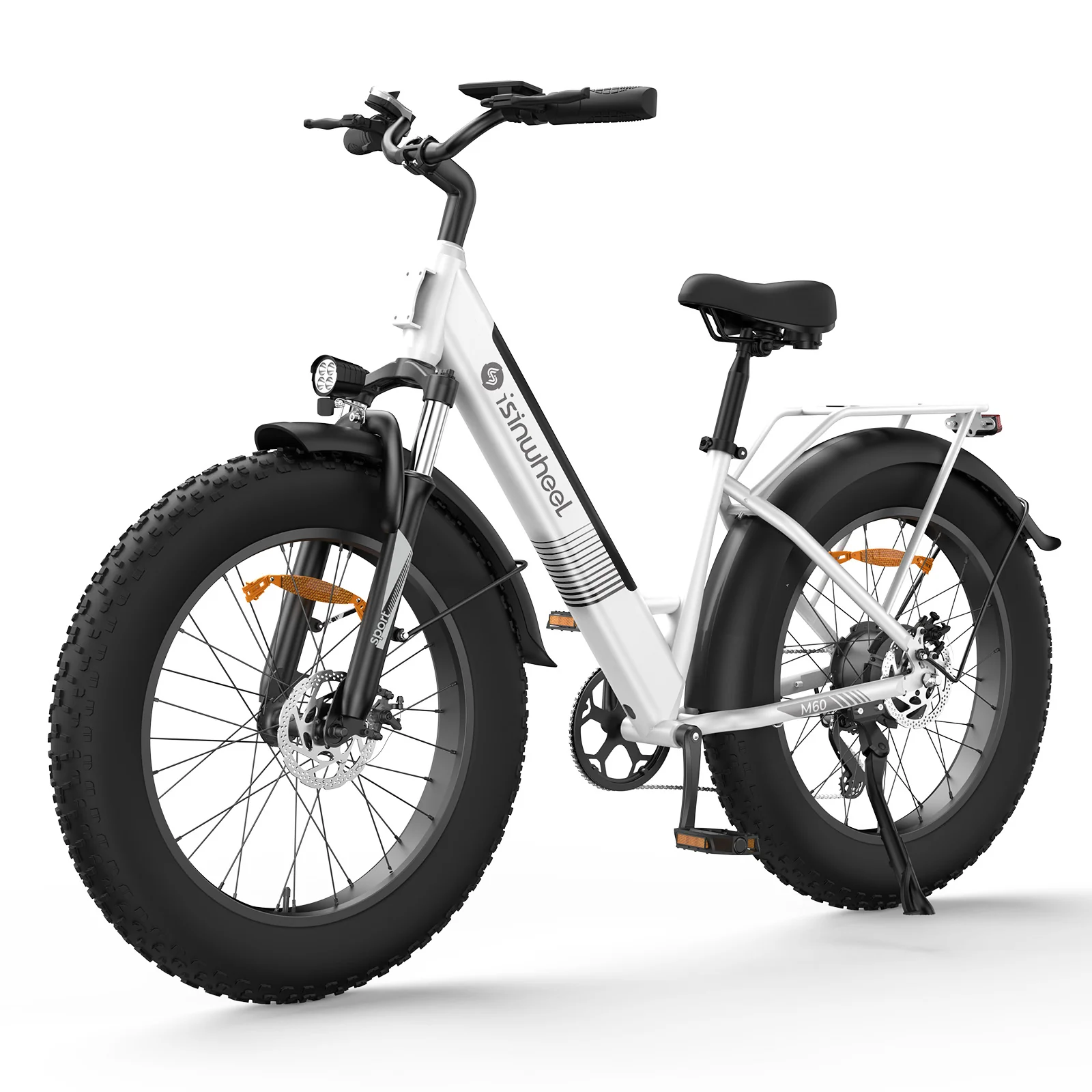
Fundamental decision points determine whether motorized or human-powered devices suit your needs. Motorized options like electric scooters and e-bikes eliminate physical exertion, enabling longer distance coverage and hill negotiation without fatigue. They suit longer commutes, those with physical limitations preventing sustained effort, and users prioritizing speed and convenience. However, motorized devices require charging infrastructure, battery maintenance, and higher initial investment. Human-powered options like traditional scooters and skateboards develop fitness, cost less, require no charging, and appeal to those preferring active movement. They suit shorter distances, recreational uses, and users seeking exercise alongside transportation. Neither approach is objectively superior the right choice depends on your priorities, physical capability, and use case realities.
Maintenance and Reliability for Dependable Transportation
Personal mobility device reliability becomes critical when depending on devices for regular commuting:
- Regular maintenance including wheel inspection, bearing checks, and component tightening prevents failures during use.
- Tire pressure monitoring in applicable devices maintains performance and prevents damage from under-inflation.
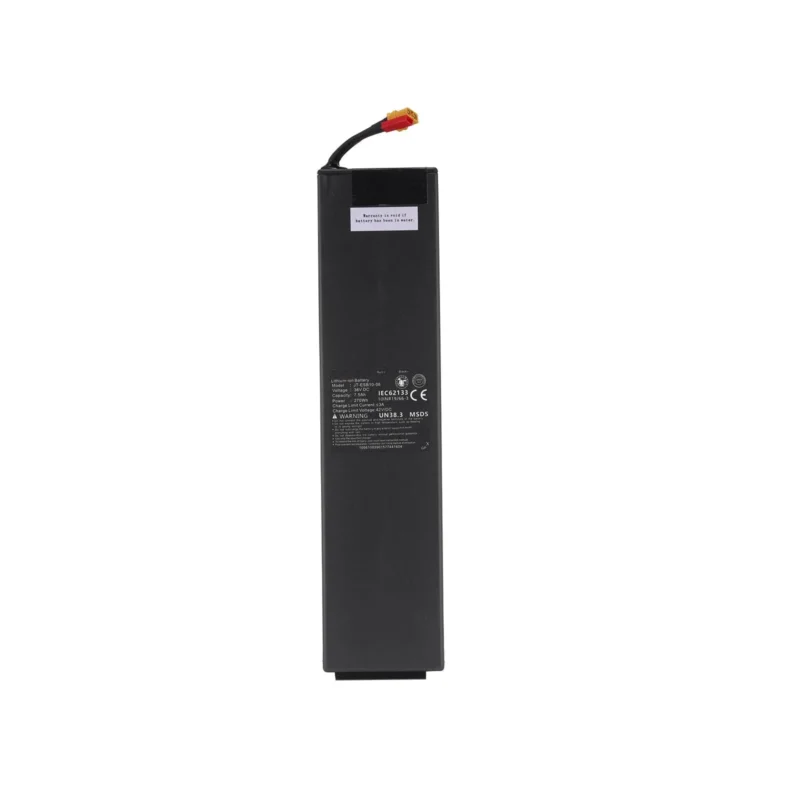
- Battery management for motorized devices, including proper charging and storage, extends lifespan and maintains reliability.
- Brake inspection and adjustment in applicable devices ensures consistent stopping power and safety.
- Storage in appropriate conditions prevents weather damage and extends overall device lifespan significantly.
Integrating Personal Mobility Into Commuting Workflows
Practical commuting integration requires solving real-world logistics challenges. Secure storage at destination prevents theft in vulnerable urban environments. Weather protection during heavy rain or snow maintains device functionality and longevity. Carrying essentials like backpacks or cargo racks enables practical commuting beyond recreational use. Transition logistics between transportation modes particularly for multi-leg journeys combining personal mobility with public transit determines feasibility. Understanding local infrastructure supporting your device scooter lanes, separated paths, traffic flow patterns ensures integration into existing networks. IsinWheel provides devices and accessories designed for practical commuting rather than recreational use alone, supporting integration into real-world daily routines.
Environmental and Social Benefits of Micro-Mobility
Beyond personal convenience, micro-mobility choices create positive environmental and social impacts. Replacing car trips with personal mobility eliminates vehicle emissions and energy consumption. Reducing traffic congestion through distributed personal transportation improves urban air quality and quality of life for all residents. Lower-cost transportation accessibility enables mobility for economically constrained populations unable to afford vehicles or frequent transit. Quieter urban environments result from reducing vehicle noise associated with traditional transportation. These collective benefits matter tremendously when multiplied across cities where thousands or millions adopt micro-mobility solutions instead of vehicle dependence.
Building Skill and Confidence Through Progressive Practice
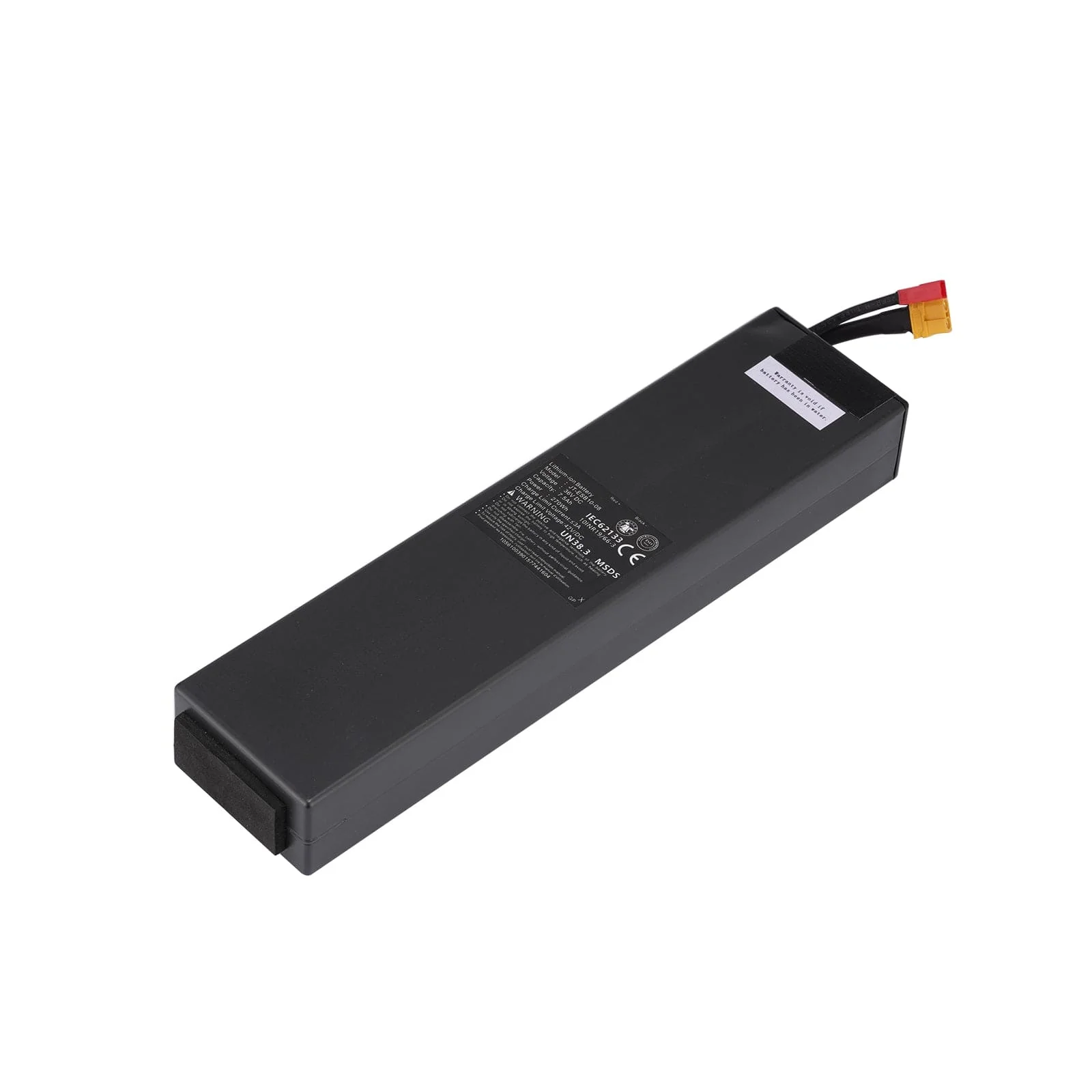
Personal mobility mastery develops through consistent practice building muscle memory and intuitive device control. Beginning in low-traffic environments with forgiving terrain builds foundational competence without overwhelming fear. Gradual progression to more challenging terrain and traffic conditions builds confidence through successful navigation of increasing complexity. Practicing emergency maneuvers rapid stopping, quick directional changes develops reflexive responses for genuine emergency situations. Time investment in building genuine skill pays dividends through reduced injury risk and dramatically increased enjoyment of device capabilities. IsinWheel devices support skill development through responsive, intuitive control enabling learning progression. Personal mobility becomes not merely transportation tool but recreational enjoyment and physical activity opportunity supporting health alongside practical movement. Embracing modern mobility solutions enables navigation of urban environments with efficiency, independence, and environmental responsibility while developing new skills and engaging with evolving transportation ecosystems.