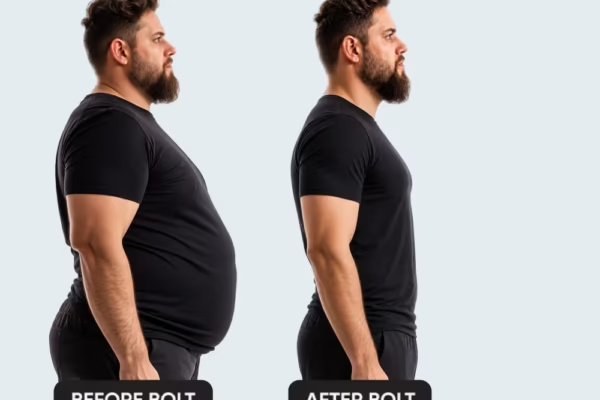
Health is the ability to live your life with energy, stability, and resilience—not just the absence of illness. It’s shaped by what you eat, how you move, how you sleep, how you handle stress, and the healthcare support you have access to. Because health affects everything—work, relationships, confidence, and long-term quality of life—it’s one of the most valuable things to protect and improve.
TL;DR:
Health is overall well-being (physical, mental, emotional, social). The biggest drivers are consistent habits—balanced nutrition, regular movement, quality sleep, stress management, and preventive checkups—and small sustainable changes beat extreme routines.
What Health Really Means

Health is multi-dimensional. It includes:
- Physical health: strength, fitness, immunity, and how well your body functions daily
- Mental health: focus, stress tolerance, decision-making, and emotional balance
- Emotional health: how you manage feelings and build healthy relationships
- Social health: the quality of your connections and support systems
These areas influence each other. For example, long-term stress can disturb sleep and digestion, while regular exercise can improve mood and focus.
The Pillars of Strong Health
Most health outcomes come back to a few foundational habits. Improving even one of these can make a noticeable difference.
1) Nutrition: Fuel and Balance
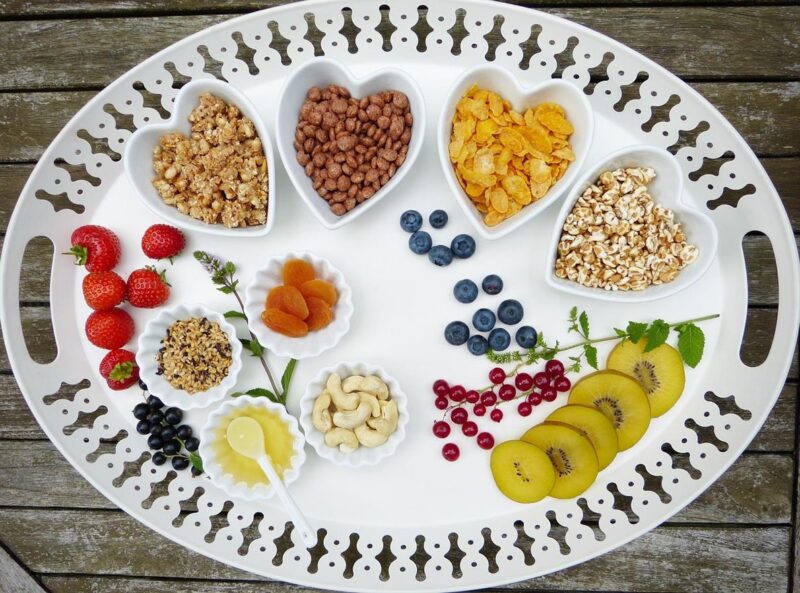
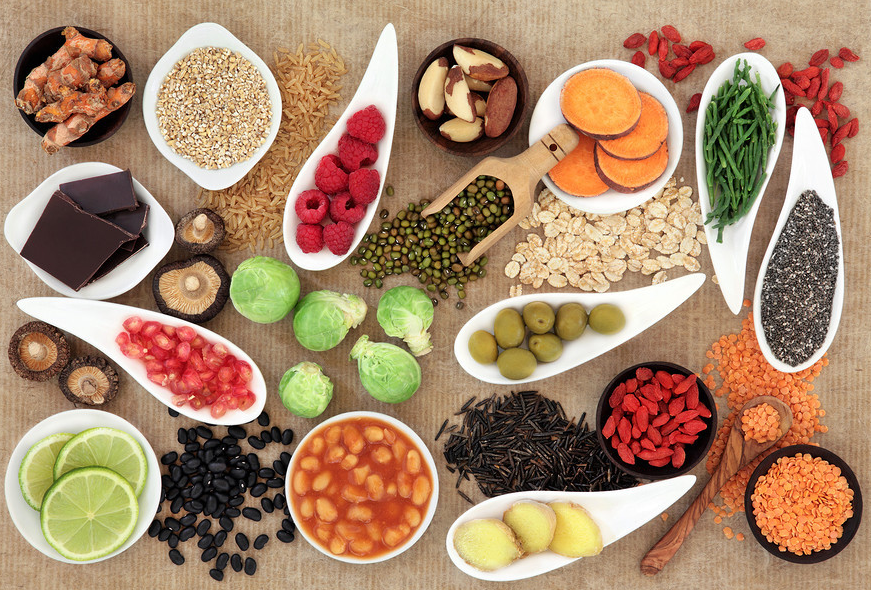
Healthy eating is less about strict rules and more about consistent choices. A strong diet often includes:
- Plenty of vegetables and fruits
- Whole grains for fiber and energy
- Lean proteins (eggs, lentils, chicken, fish)
- Healthy fats (nuts, seeds, olive oil)
- Enough water throughout the day
Reducing sugary drinks, excessive fast food, and frequent ultra-processed snacks can improve energy levels, digestion, and long-term heart health.
2) Movement: The Body’s Daily Need
Regular activity supports your heart, muscles, metabolism, and mood. It doesn’t have to be intense. Great options include:
- Brisk walking
- Strength training
- Stretching or yoga
- Cycling, swimming, or sports
The goal is consistency. Even 20–30 minutes of movement most days can have real benefits.
3) Sleep: Recovery and Reset
Sleep is when your body repairs itself. Poor sleep affects concentration, immunity, hunger hormones, and stress levels. Helpful habits include:
- Keeping a regular sleep schedule
- Limiting screens before bed
- Avoiding heavy meals late at night
- Creating a calm bedtime routine
Good sleep often improves every other health habit automatically.
4) Stress Management: Protecting Your Mind and Body
Stress is unavoidable, but chronic stress can raise inflammation, disturb sleep, and lead to unhealthy coping habits. Simple tools can help:
- Deep breathing exercises
- Journaling or reflection
- Prayer or meditation
- Talking to friends or a professional
- Spending time outdoors
Even short breaks during the day reduce mental pressure and improve productivity.
5) Preventive Care: Catching Problems Early
Health checkups, vaccinations, and screenings help detect issues before they become serious. Preventive care also supports peace of mind. Tracking basics like blood pressure, sugar levels, and weight trends can be useful, especially if you have family risk factors.
Everyday Health Challenges

Modern life can quietly damage health through:
- Long sitting hours and low daily movement
- High screen time
- Poor food choices due to convenience
- Sleep disruption
- Ongoing stress and burnout
The best approach is not drastic change, but steady improvements—small steps that become routines.
How to Build Health Without Feeling Overwhelmed
Health improves fastest when it’s simple and realistic:
- Start with one habit, not ten
- Focus on progress, not perfection
- Make your environment supportive (healthy snacks, water, walking time)
- Track small wins (better sleep, more steps, fewer sugary drinks)
Health is a long game. What matters most is what you can repeat.
Conclusion
Health is the foundation of a strong, stable life. When you prioritize nutrition, movement, sleep, stress management, and prevention, you build resilience—physically and mentally. The most powerful health changes are often the simplest ones, done consistently over time.