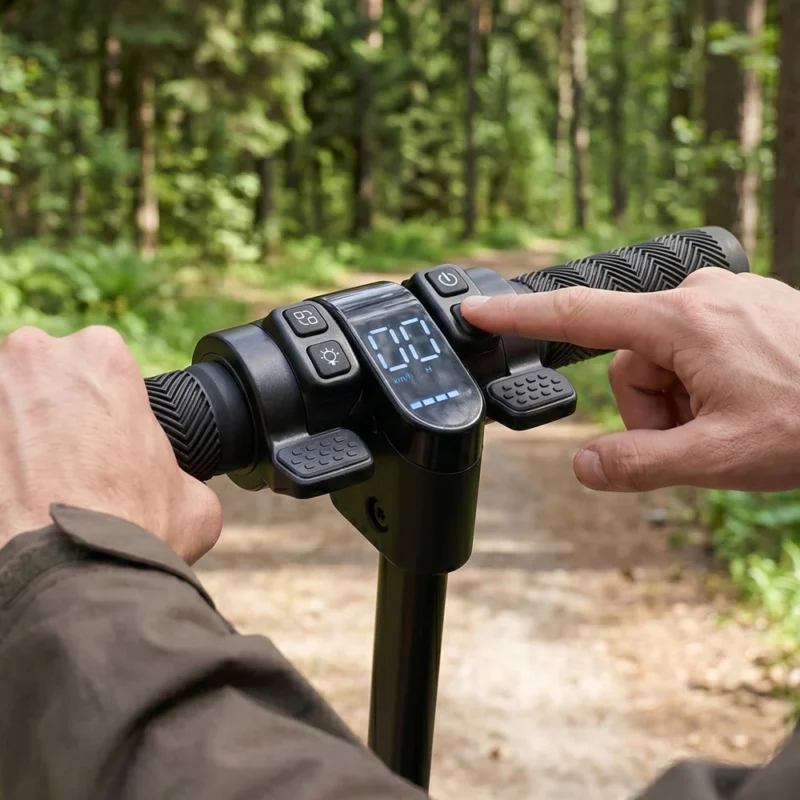
Whether you’re rediscovering cycling after years away, pursuing fitness goals through two-wheeled transportation, or seeking environmental-friendly commuting alternatives, selecting the right bicycle represents one of the most important equipment decisions you’ll make. The bicycle market offers extraordinary diversity from lightweight road bikes designed for speed and efficiency to rugged mountain bikes built for off-road adventures, from casual cruisers optimized for comfort to specialized models serving specific purposes. Understanding your needs, riding style, and intended use enables you to choose a bicycle that brings genuine joy and encourages consistent use rather than becoming an expensive garage decoration. The investment in selecting appropriate equipment pays dividends through enhanced performance, injury prevention, and sustained cycling enjoyment.
Identifying Your Cycling Purpose and Riding Style
Bicycle selection begins with honest assessment of how you’ll actually use your bike. Commuters prioritize durability, weather resistance, and practical storage capacity. Fitness enthusiasts seeking cardio workouts benefit from lightweight road bikes or fitness-specific models emphasizing speed. Mountain biking adventure seekers need robust frames and capable suspension handling technical terrain. Casual recreational riders value comfort and ease of use above speed or technical capability. Family cyclists require stability and safety features suitable for varied conditions. Your primary use case drives decisions about frame type, components, gearing, and overall design. Trying different styles at bike shops or borrowing friends’ bikes reveals your preferences before committing to purchase, preventing expensive mistakes.
Understanding Bicycle Frame Types and Materials
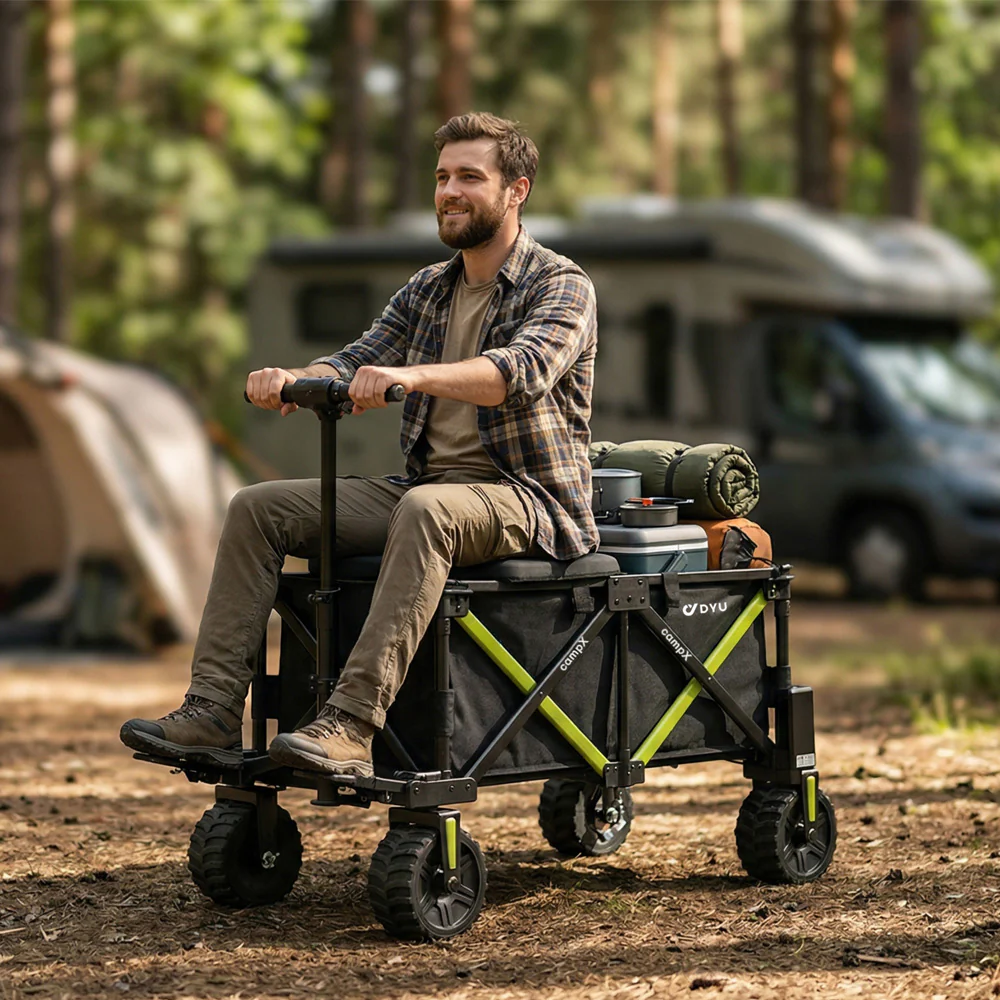
The bicycle frame forms the foundation of your entire riding experience, influencing comfort, handling, durability, and performance. Road bike frames prioritize lightweight efficiency with thin tubing and minimal geometry designed for speed. Mountain bike frames feature reinforced construction and suspension systems handling impacts and obstacles. Hybrid frames balance road and mountain bike characteristics, offering versatility for varied conditions. Comfort bikes emphasize upright positioning and shock absorption over speed. Gravel bikes split the difference between road and mountain bikes, handling unpaved surfaces while maintaining efficiency on pavement. Frame materials aluminum, steel, carbon fiber, titanium each offer distinct advantages in weight, durability, cost, and ride feel. DyuCycle offers comprehensive selections across frame types and materials, helping you discover the exact bike matching your needs and preferences.
Evaluating Components and Drivetrain Systems
Beyond the frame, components determine how smoothly and reliably your bicycle performs. Drivetrain systems the gears, chain, and shifting mechanisms should match your terrain and fitness level. Simpler, single-speed systems work well for flat terrain and casual riding. Multiple gearing systems serve varied terrain, with more gears enabling efficient pedaling across diverse conditions. Brake systems critically impact safety rim brakes offer simplicity and light weight, while disc brakes provide superior stopping power in wet conditions and technical terrain. Wheels and tires dramatically influence rolling resistance, traction, and comfort. Lightweight road tires roll fast but sacrifice traction and durability. Knobby mountain bike tires offer excellent traction but increased resistance. Understanding component quality and matching it to your intended use prevents future frustration and expense from upgrading inferior parts.
Finding the Right Fit and Size
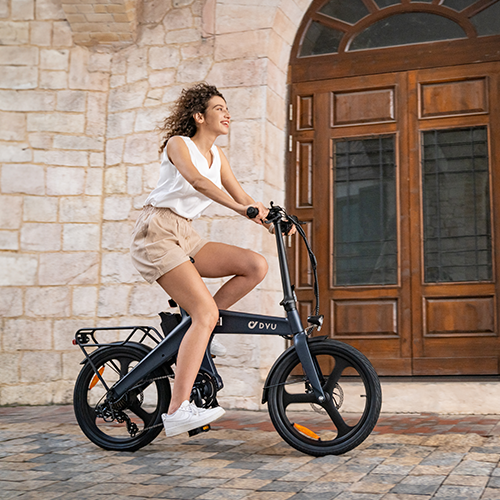
Bicycle fit dramatically impacts comfort, efficiency, and injury prevention. Incorrect sizing leads to poor handling, discomfort, and wasted energy through inefficient pedaling mechanics. Frame size selection depends on your height and inseam measurement, with different frame types using slightly different sizing standards. Saddle height adjustment requires proper leg extension at the bottom of the pedal stroke. Handlebar reach should allow comfortable arm positioning without excessive strain. Professional fitting services analyze your biomechanics and make adjustments ensuring optimal comfort and performance. Many bike shops offer free basic fitting with purchases. Attempting to fit yourself or accepting incorrect sizing jeopardizes your comfort and safety, potentially causing injuries that discourage future cycling.
Essential Bicycle Maintenance and Care Basics
Proper maintenance keeps your bicycle safe, efficient, and reliable:
- Regular cleaning removes dirt and grime that corrode components and reduce performance over time.
- Tire pressure checks ensure optimal rolling efficiency and reduce puncture risk through proper cushioning.
- Chain lubrication maintains smooth shifting and prevents premature wear on drivetrain components.
- Brake inspection and adjustment preserve safety by ensuring consistent stopping power and reliable function.
- Periodic professional servicing catches developing issues before they become expensive problems.
Budget Considerations and Value Assessment
Bicycle pricing spans enormous ranges from budget models under £300 to premium bikes exceeding £5,000. Higher prices generally correlate with lighter materials, superior components, and better craftsmanship, yet excellent value exists throughout various price ranges. Determine your budget realistically, understanding that more expensive bikes rarely justify massive price premiums unless you’re racing competitively. Mid-range bikes offer exceptional value, providing quality components and construction at reasonable prices. Budget models work adequately for casual recreational use though components require more frequent replacement. DyuCycle offers quality bicycles across price points, ensuring you find excellent value regardless of budget constraints.
Testing Before Committing to Purchase
Never purchase a bicycle without extensive testing that simulates your actual use. Ride around the parking lot, navigate turns, test braking, and assess general comfort and handling. Try multiple models and frame sizes to understand differences. Ask about test ride programs allowing extended trials before final commitment. This hands-on evaluation prevents costly mistakes and ensures genuine satisfaction with your purchase. What feels right online might disappoint physically, and vice versa.
Building Your Cycling Practice and Enjoyment
The perfect bicycle is one you’ll actually ride consistently. Selecting equipment that genuinely suits your needs, preferences, and intended use ensures that your bike becomes a tool you enjoy using rather than resent. Quality bicycles last for years or decades with proper maintenance, making them excellent long-term investments in health, transportation, and recreation. DyuCycle supports your cycling journey through quality bicycles, expert guidance, and ongoing support helping you develop a lasting cycling practice. Whether cycling becomes primary transportation, your favorite fitness method, or weekend recreation, choosing the right bicycle enables you to experience the joy, freedom, and health benefits that cycling provides.