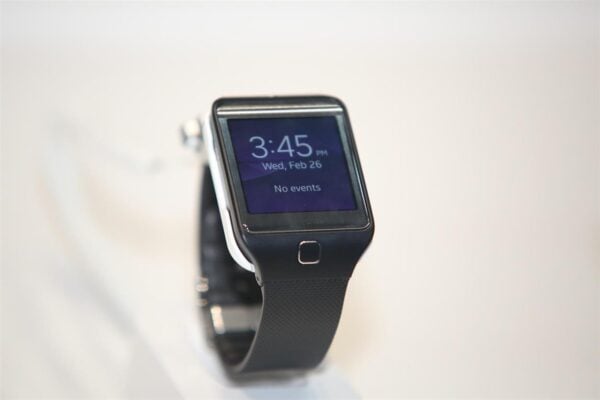
Tech & Electronics – Devices is one of the most influential and fast-evolving categories in today’s market. It includes the core gadgets people rely on daily—smartphones, laptops, tablets, wearables, smart home hubs, and more. Devices are not just products; they’re part of an ecosystem that connects work, entertainment, communication, and lifestyle.
TL;DR
Tech & Electronics – Devices includes core gadgets like smartphones, tablets, laptops/PCs, wearables, audio devices (earbuds/headphones), gaming gear (consoles/VR), and smart home devices (hubs, cameras, smart displays). It’s highly competitive because innovation is constant and buyers research heavily before purchasing.
Customers choose devices based on use case + specs (performance, battery, display, camera, storage), plus trust factors like brand reputation, warranty, service support, and reviews. Stores help with hands-on comparison and confidence for high-value purchases, while e-commerce wins on variety, easy spec comparison, reviews, deals, and delivery.
Key challenges are fast obsolescence, thin margins, counterfeit/grey-market risks, and high-value return/fraud issues. Future growth is driven by AI features, health-focused wearables, sustainability/repairability, expanding smart home ecosystems, and gaming/immersive tech.
1. What Counts as “Devices” in Tech & Electronics?

In the Tech & Electronics category, devices are typically the primary hardware products customers use directly. Major segments include:
- Smartphones (Android and iOS devices across budget to premium)
- Tablets (for entertainment, education, and productivity)
- Laptops & PCs (work, study, gaming, and creative use)
- Wearables (smartwatches, fitness bands, health trackers)
- Audio devices (wireless earbuds, headphones, smart speakers)
- Gaming devices (consoles, handhelds, VR headsets)
- Smart home devices (smart displays, hubs, security cameras, doorbells)
- E-readers and digital note devices (niche but growing)
Accessories (chargers, cases, cables) are important too, but the device segment usually focuses on the main hardware.
2. Why the Device Category Is So Competitive

Device markets are extremely competitive because:
- Innovation is constant: new models launch regularly with new features.
- High consumer involvement: customers research heavily before buying.
- Ecosystems matter: once users choose a platform (Apple, Android, Windows, etc.), switching becomes harder.
- Price sensitivity varies: some buyers want the latest flagship; others prioritize value and durability.
Devices are also high-impact purchases—they influence how people work and live every day—so customers are cautious and detail-oriented.
3. How Customers Choose Tech Devices

Buying decisions usually depend on a mix of performance, trust, and lifestyle needs.
3.1 Performance and Specifications
Consumers compare:
- Processor and performance speed
- RAM and storage capacity
- Battery life and charging speed
- Display quality (size, resolution, refresh rate)
- Camera quality (for phones and tablets)
- Connectivity (Wi-Fi standards, Bluetooth versions, 5G support)
3.2 Use Case Comes First
Customers often buy based on purpose:
- Students: affordability, battery, portability
- Office and business users: reliability, keyboard quality, multitasking
- Gamers: GPU performance, refresh rate, cooling systems
- Creators: screen accuracy, processing power, storage
- Everyday users: comfort, durability, and value
3.3 Brand, Warranty, and After-Sales Support
For devices, trust matters. Customers consider:
- Brand reputation
- Warranty period and coverage
- Availability of service centers
- Return and exchange policies
- Authenticity guarantees (especially in online marketplaces)
3.4 Reviews and Social Proof
Reviews, unboxing videos, and performance tests are major influences. Many customers check:
- User feedback and star ratings
- Professional reviews and benchmarks
- Comparison videos between models
4. Retail and E-Commerce in Devices
Devices sell strongly through both physical retail and online channels.
In-Store Advantages
Stores help customers:
- Compare devices physically (size, screen brightness, build quality)
- Get immediate assistance and guidance
- Purchase high-value items with confidence
- Access same-day buying without waiting for delivery
E-Commerce Advantages
Online shopping works well because:
- Customers can compare specs quickly
- Reviews and ratings are easy to access
- Pricing and promotions are often more competitive
- Financing options and bundles may be easier to offer
- Delivery reaches customers beyond store locations
Many businesses now combine both with omnichannel strategies—online ordering with store pickup, easy returns, and store-based service support.
5. Challenges in the Devices Market
5.1 Fast Obsolescence and Inventory Risk
Device models change quickly. Retailers must manage:
- Stock becoming outdated fast
- Discounting older models to clear inventory
- Predicting demand for colors, storage sizes, and variants
5.2 Thin Margins and Price Wars
Devices are often price-competitive, meaning retailers rely on:
- Bundling accessories
- Extended warranties and service plans
- Trade-in offers
- Financing and installment programs
5.3 Counterfeits and Grey Market Risks
Online sales can face issues like:
- Non-original products
- Unauthorized imports
- Missing or invalid warranties
This hurts customer trust and increases returns.
5.4 Returns, Damage, and Fraud
High-value devices require secure packaging, safe delivery, and strong fraud prevention—especially for returns.
6. Trends Shaping the Future of Tech Devices
6.1 AI-Powered Devices
AI features are increasingly built into:
- Cameras (smarter photo/video editing)
- Voice assistants and automation
- Productivity tools and on-device processing
- Battery and performance optimization
6.2 Health and Wellness in Wearables
Wearables are evolving from “step counters” to health tools, with:
- Heart monitoring and sleep tracking
- Stress insights and recovery features
- More advanced sensors and analytics
6.3 Sustainability and Repairability
Customers and regulators are pushing for:
- Longer-lasting devices
- Repairable designs and spare parts
- Refurbished and certified pre-owned markets
- Reduced packaging waste
6.4 Expansion of Smart Home Ecosystems
More devices are becoming interconnected—phones, speakers, cameras, lights, and appliances operating as one system.
6.5 Growth of Gaming and Immersive Tech
Demand continues for:
- High-performance gaming devices
- VR/AR headsets and mixed reality
- Better displays, cooling, and performance hardware
Conclusion
Tech & Electronics – Devices is a fast-moving category driven by innovation, strong customer research, and intense competition. Customers look for performance, reliability, and value—supported by trust signals like warranties, service availability, and authenticity.
Brands and retailers that win in this space focus on clear product education, strong after-sales support, secure fulfillment, competitive pricing strategies, and smart positioning across both retail and e-commerce channels. As AI, wearables, sustainability, and smart ecosystems grow, the device market will continue to evolve—creating new opportunities for businesses and better experiences for customers.