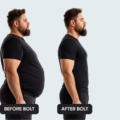
Health is more than “not being sick.” It’s the overall well-being of your body and mind—how you feel, function, and cope with daily life. True health combines physical strength, mental resilience, emotional stability, and supportive habits. It’s shaped by lifestyle choices, genetics, environment, access to care, and social connections. The good news is that small, consistent actions can significantly improve health over time.
TL;DR:
Health is overall well-being—physical, mental, emotional, and social. The biggest pillars are balanced nutrition, regular movement, good sleep, stress management, and preventive checkups, and small consistent habits make the biggest long-term difference.
Understanding the Main Types of Health

Health is often viewed in four connected areas:
1) Physical health
Your body’s ability to function well—energy levels, fitness, strength, sleep quality, and resistance to illness.
2) Mental health
How you think, process emotions, handle stress, and maintain focus. Mental health includes anxiety, mood, self-esteem, and overall psychological well-being.
3) Emotional health
How you manage feelings, relationships, and life challenges. Emotional health supports confidence, communication, and stability.
4) Social health
Your connections with others—family, friends, community, and support systems. Strong relationships often reduce stress and improve long-term wellness.
These areas are linked. For example, poor sleep affects mood and immunity, while chronic stress can impact appetite, digestion, and heart health.
Core Pillars of a Healthy Lifestyle

While everyone’s needs differ, most health improvements come from a few key pillars:
Nutrition
Healthy eating isn’t about perfection—it’s about balance and consistency. A nourishing diet typically includes:
- Whole foods (fruits, vegetables, whole grains)
- Lean proteins (eggs, legumes, fish, poultry)
- Healthy fats (nuts, olive oil, seeds)
- Enough water and fiber
Limiting excess sugar, highly processed foods, and frequent overeating can improve energy, digestion, and long-term heart health.
Physical activity
Movement supports heart health, muscle strength, mood, and metabolism. It can be as simple as:
- Daily walks
- Strength training a few times a week
- Stretching or mobility work
- Sports or dance
Even moderate activity helps—what matters most is doing it regularly.
Sleep
Sleep is where the body repairs itself. Poor sleep affects immunity, focus, hunger hormones, and stress tolerance. A consistent sleep schedule, reduced screen time before bed, and a calm nighttime routine can make a major difference.
Stress management
Stress is normal, but unmanaged stress can harm health over time. Helpful methods include:
- Breathing exercises
- Journaling
- Prayer or meditation
- Time outdoors
- Talking to trusted people
Learning to rest without guilt is also part of healthy living.
Preventive care
Regular checkups, vaccinations, and screenings help detect issues early. Prevention is often easier, cheaper, and safer than treating advanced illness.
Common Health Challenges Today

Modern life comes with health risks that many people share:
- Sedentary routines and screen-heavy habits
- High stress and burnout
- Poor diet due to convenience foods
- Sleep disruption
- Chronic conditions like diabetes, obesity, and high blood pressure
The goal isn’t to fear these challenges—it’s to recognize them and make practical adjustments step by step.
Building Better Health Over Time
Health is not an “all-or-nothing” goal. It’s built through repeatable habits:
- Add one healthy meal a day
- Walk 20 minutes most days
- Drink more water
- Sleep 30 minutes earlier
- Schedule a basic health screening
Small progress stays sustainable—and sustainable progress lasts.
Conclusion
Health is a lifelong journey, not a quick fix. It’s shaped by daily choices, supportive environments, and access to good care. By focusing on simple habits—nutrition, movement, sleep, stress management, and prevention—you can build a stronger foundation for energy, confidence, and long-term well-being.